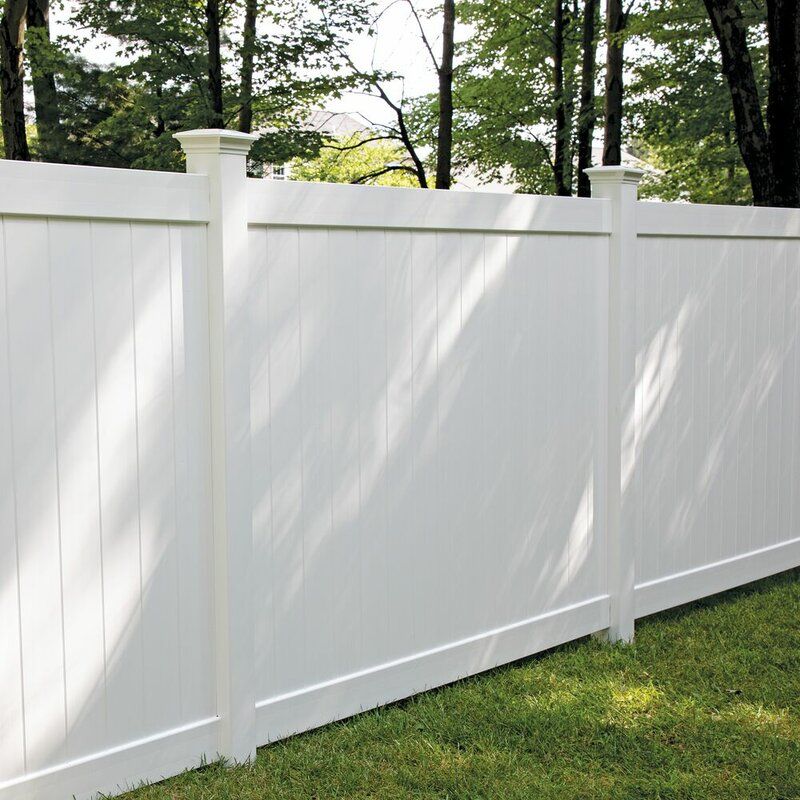
How Much Does Fence Repair Cost?
Current price ranges for wood, vinyl, chain-link and aluminum fence repair — by the job and by the linear foot — plus the factors that push a quote up or down.
Read the cost guide →Fence repair, explained
A leaning post, a panel down after a storm, a gate that won't latch — most fence problems have a straightforward fix, and many cost far less than a new fence. This guide walks you through what fence repair actually costs, which repairs you can safely do yourself, and how to hire a fence repair company you can trust.
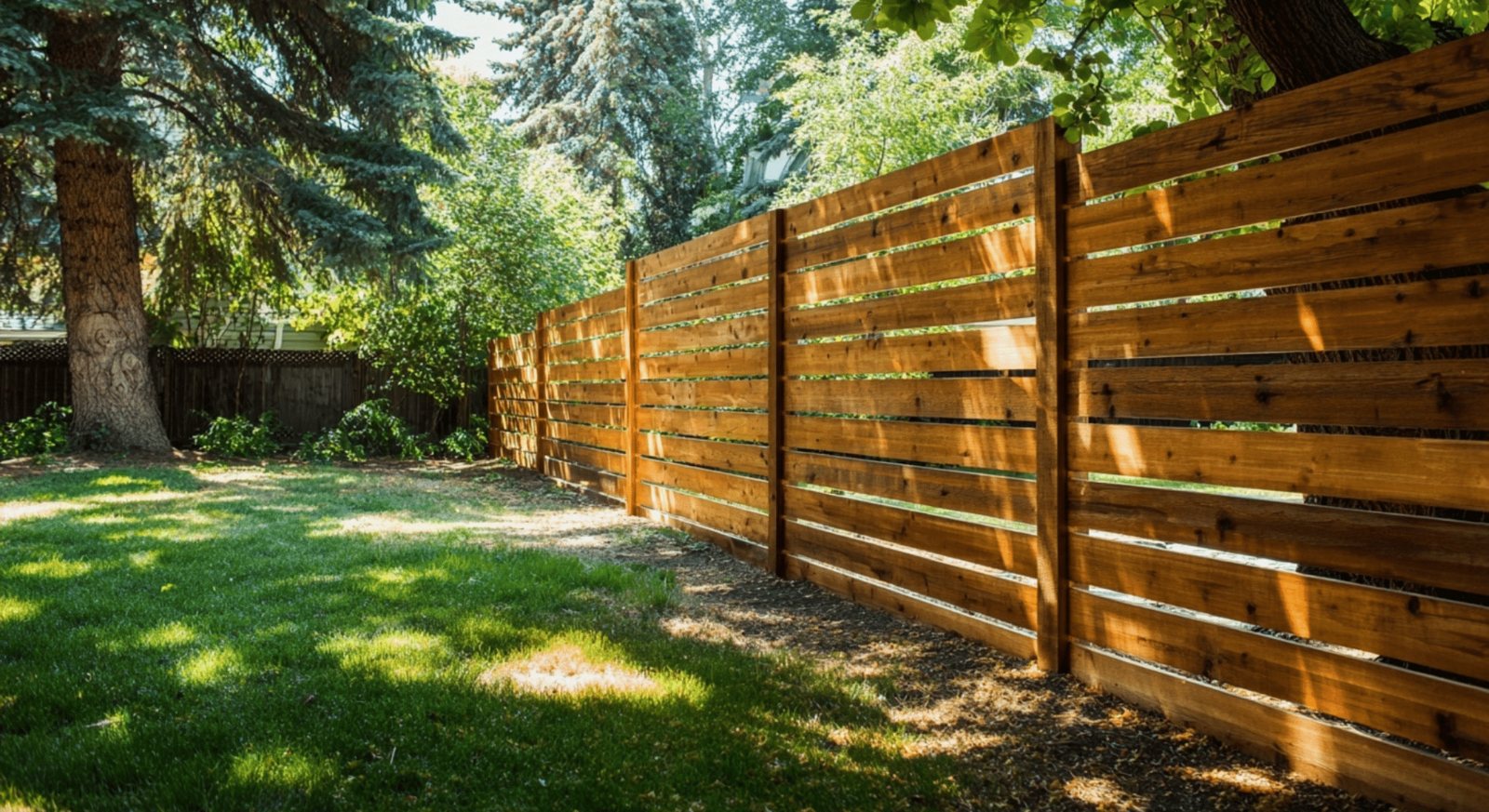
The guides
Four plain-English guides covering the repairs homeowners search for most — what they cost, how they're done, and when to hand them to a professional.
Current price ranges for wood, vinyl, chain-link and aluminum fence repair — by the job and by the linear foot — plus the factors that push a quote up or down.
Read the cost guide →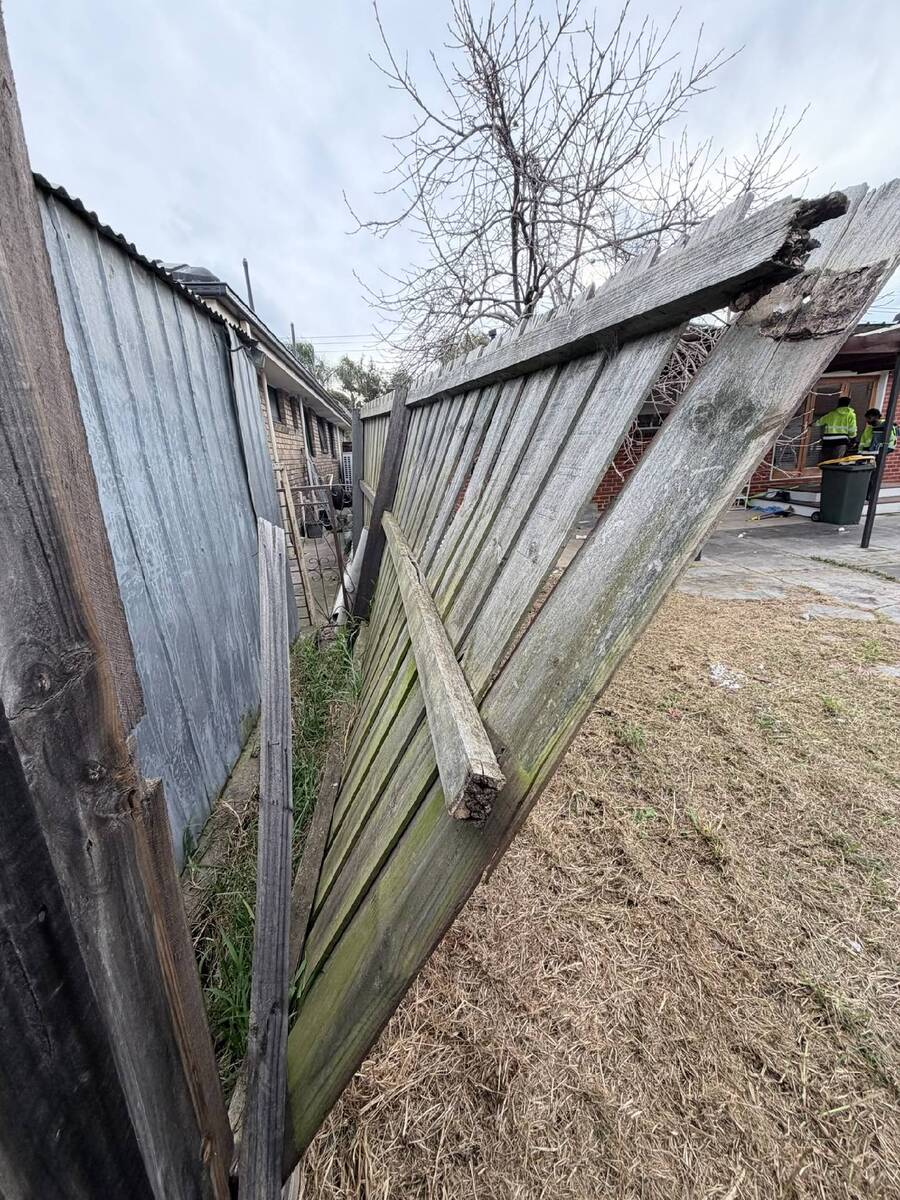
A leaning fence is almost always a post problem. Here's how to find the failed post, brace the fence, and re-set or replace the post so the fix actually lasts.
Read the step-by-step →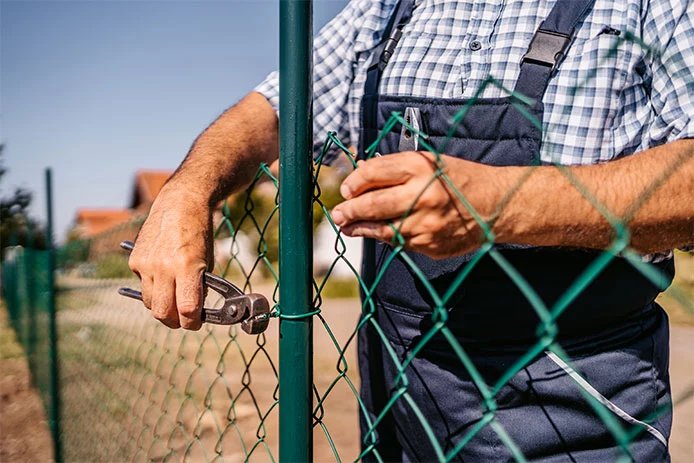
Swapping pickets is a Saturday job. Re-setting structural posts on a long run is a different story. A clear-eyed split of which repairs are DIY-safe and which aren't.
Compare your options →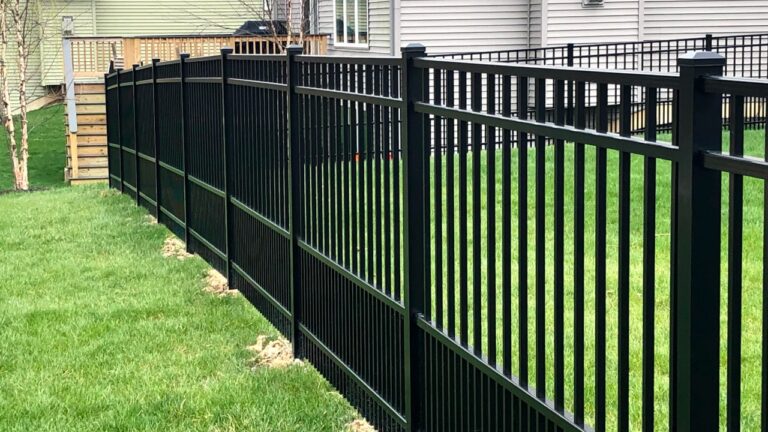
How to get comparable quotes, the questions to ask before you sign, licensing and insurance basics, and the red flags that should send you to the next company.
Read the hiring guide →More repair guides
The problems that fill the rest of a fence owner's year — a post rotting at the ground line, a gate that drags, a storm that flattens a run, the panel swap in between — plus keeping a fence alive season by season, finishing it properly, and taking an old one down.
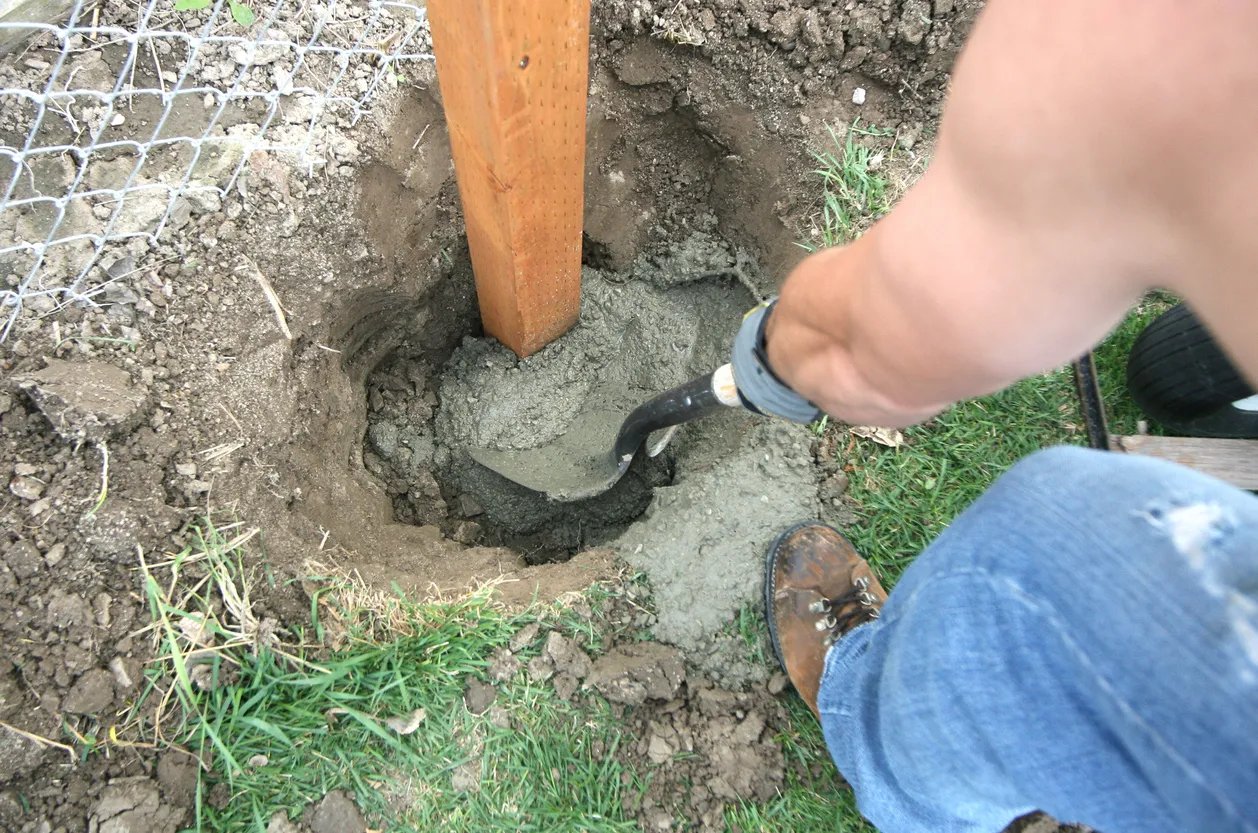
The screwdriver test, bracing the panel, digging out the old post and its concrete footing, and setting a new post that outlasts the original — plus when the whole line should go instead.
Read the step-by-step →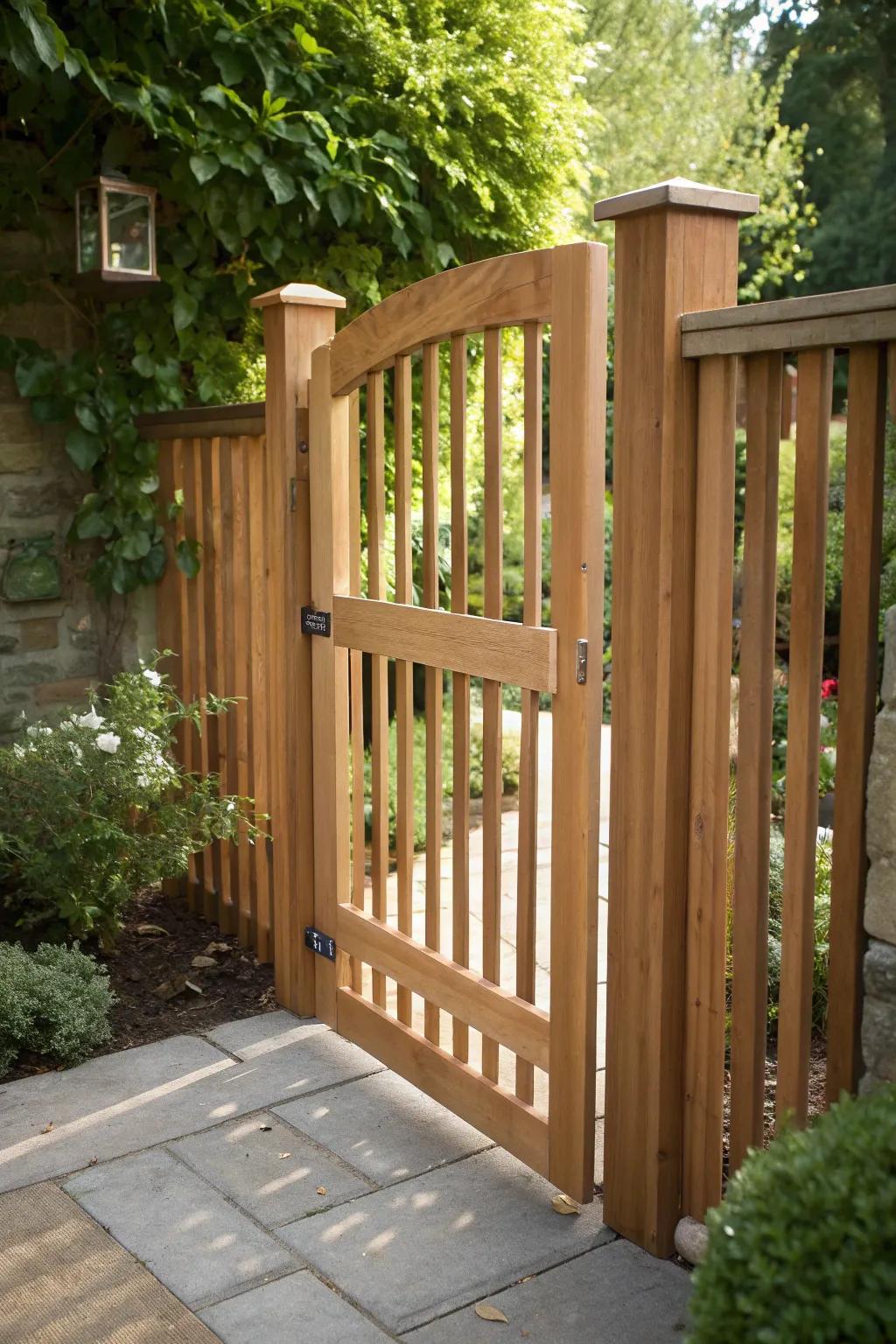
Most dragging gates need hardware, not a new gate: diagnose the sag, upgrade the hinges, fit an anti-sag kit, and align the latch — and how to tell when the gate post is the real culprit.
Read the step-by-step →
Make it safe, photograph everything for your records before you touch it, hold the line with temporary fixes, then repair posts, rails and panels in the order that lasts.
Read the guide →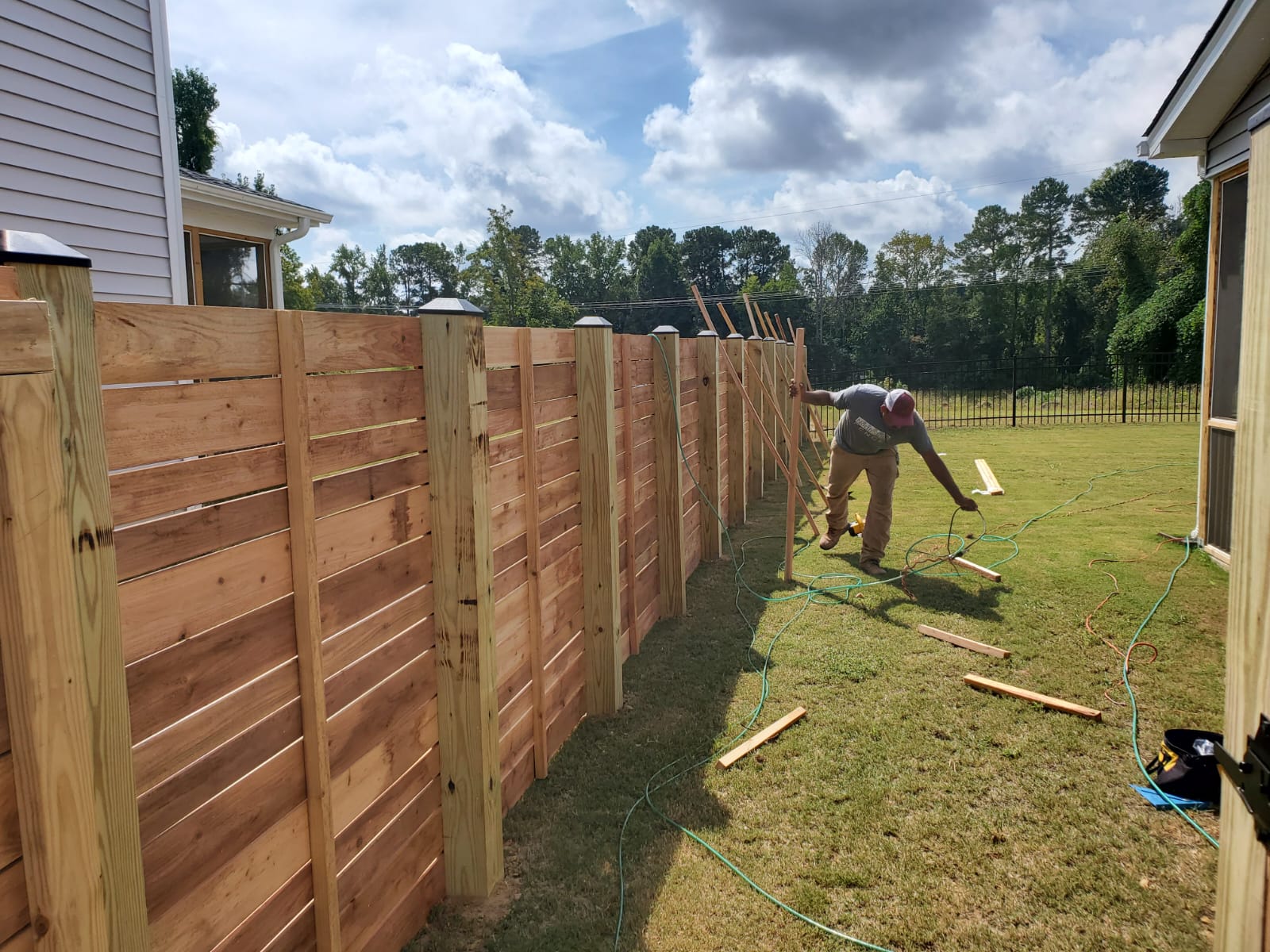
Measure, match and swap a damaged panel on wood and vinyl fences — the fasteners that won't undo your work, and how to finish the new panel so it blends with the run.
Read the step-by-step →
What to inspect, clean, tighten and seal each season — spring, summer, fall and winter — with the checks broken down by fence material, so small problems get caught while they're still cheap.
See the checklist →
Demolition in the safe order — panels, rails, posts, footings — plus the property-line, permit and 811 checks that come first, and what to do with the pile of old fence afterward.
Read the step-by-step →
Prep first, product second: cleaning, sanding and repairing before you open a can, paint versus stain in plain terms, the weather window that makes a finish last, and how often to recoat.
Read the step-by-step →Fence types
Every fence material fails in its own way and goes together in its own way. Pick your fence below for its most common repairs and a plain-English walkthrough of how it's built — or start with the fence types overview and our general how to build a fence guide.
Rotted posts, broken pickets and sagging rails — plus how to build a wood privacy fence from layout to stain.
Wood fence guide →
Cracked vinyl fence panels, leaning posts and sticky gates — and how vinyl panel fences are installed.
Vinyl fence guide →
How to fix a sagging chain link fence, bent top rails and torn mesh — and how a chain-link fence goes up.
Chain-link guide →
Loose panels, bent pickets and out-of-line gates — and how aluminum panel fences are installed, post by post.
Aluminum fence guide →
How to remove rust from an iron fence, repaint it properly, and what to do about broken welds and sagging gates.
Iron fence guide →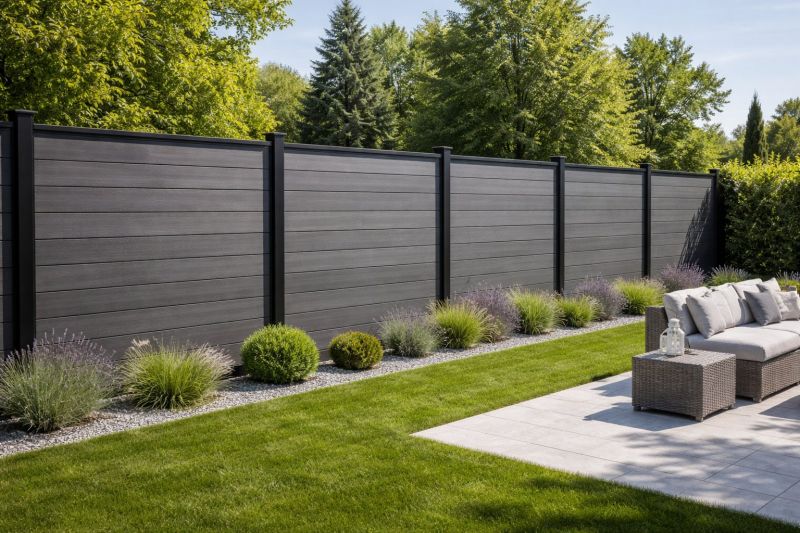
Cracked or warped composite boards, fading and post problems — and how composite board fences are built.
Composite fence guide →Common problems
Nearly every "fence repair near me" search starts with one of these. Here's the short version of each — what causes it, and how serious it usually is.
Usually a rotted, loose or frost-heaved post — rarely the panels. One or two posts can often be re-set in a day; a whole run leaning means several posts have failed together.
Storm damage, a fallen branch, or a mower strike. On wood fences you can replace individual pickets; vinyl usually needs the whole panel swapped. Typical pro cost: $150–$300.
Sagging, dragging or a latch that no longer meets. Often a hinge or brace fix rather than a new gate — gate repair typically runs $100–$400, and much of it is DIY-friendly.
Wood posts rot at ground level first. Probe suspect posts with a screwdriver: if it sinks in easily, that post is done. Catching rot early keeps a $200 fix from becoming a rebuild.
Quick answers
Short answers below — each guide goes deeper.
Most fence repairs fall between about $150 and $900, depending on the material and the size of the job. Small fixes — a few pickets, a gate hinge — sit at the low end; replacing several posts or a long damaged run costs more. Per repair type, current US ranges run roughly $200–$400 for a leaning fence, $100–$400 for gate repair, and $150–$300 for missing panels or pickets. Our fence repair cost guide breaks it down by fence type.
Because a post has failed or loosened — through rot at ground level, soil that has washed out or heaved with frost, a footing that was too shallow, or simple age. The panels are rarely the cause. Push each post at the top: the one that moves is your problem. The leaning fence guide shows how to diagnose and re-set it.
Repair, almost always — when the damage is limited. A common rule of thumb: if more than about 20% of the fence (posts, panels or pickets) is damaged, or the fence is near the end of its natural life, replacement starts to make more sense than pouring money into repairs. If it's one storm-damaged section on an otherwise sound fence, repair wins easily.
Many repairs, yes. Replacing pickets, re-hanging a gate, patching chain-link and even re-setting a single post are all realistic DIY fence repair jobs with basic tools. Long runs, multiple structural posts, shared boundary fences and anything involving permits or an HOA are better handed to a pro — see DIY or hire a pro?
Ready to hire? Here's how to find a good fence repair company near you →
Sources: The cost figures published across this site follow our fence repair cost guide, which compiles US figures published by Angi and HomeAdvisor for 2025–2026. Checked October 2026.